
Expert Insights
Explore real-world experiences with Breyanzi (lisocabtagene maraleucel) in this four-part video series. Expert clinicians discuss practical considerations from clinical practice, including patient management and treatment experience.
Breyanzi is indicated for the treatment of adult patients with:1
- Diffuse large B-cell lymphoma (DLBCL), high grade B-cell lymphoma (HGBCL), primary mediastinal large Bcell lymphoma (PMBCL) and follicular lymphoma grade 3B (FL3B), who relapsed within 12 months from completion of, or are refractory to, first-line chemoimmunotherapy
- Relapsed or refractory DLBCL, PMBCL and FL3B, after two or more lines of systemic therapy
- Relapsed or refractory follicular lymphoma (FL) after two or more lines of systemic therapy
- Relapsed or refractory mantle cell lymphoma (MCL) after at least two lines of systemic therapy including a Bruton’s tyrosine kinase (BTK) inhibitor
Real world experience of Breyanzi (lisocabtagene maraleucel) in a broad patient population
Build your confidence in prescribing Breyanzi (liso-cel) across a broad patient population with guidance from our expert panel. In this episode, Dr Rob Lown, Consultant Haematologist University Hospital Southampton, talks you through a case of a female patient with stage IIIS DLBCL, her treatment timeline — including chemotherapy and radiotherapy — and his rationale for choosing CAR-T, and specifically liso-cel, at relapse.
Dr Lown and Professor Andrew Davies, Consultant Haematologist University Hospital Southampton, are joined by Dr Francesca Sillito, Consultant Haematologist, Royal Marsden Hospital and Dr Michael Northend, Consultant Haematologist, University College London Hospital.
The panel discuss:
- How the efficacy and safety profile of Breyanzi influences treatment decisions
- How this patient’s journey continued after treatment with Breyanzi and their follow-up experience post-treatment
- How Breyanzi has performed across a broad patient population — from younger, fitter patients to those who are older and less fit
- How real-use experience of Breyanzi aligns with the results of the TRANSFORM clinical trial
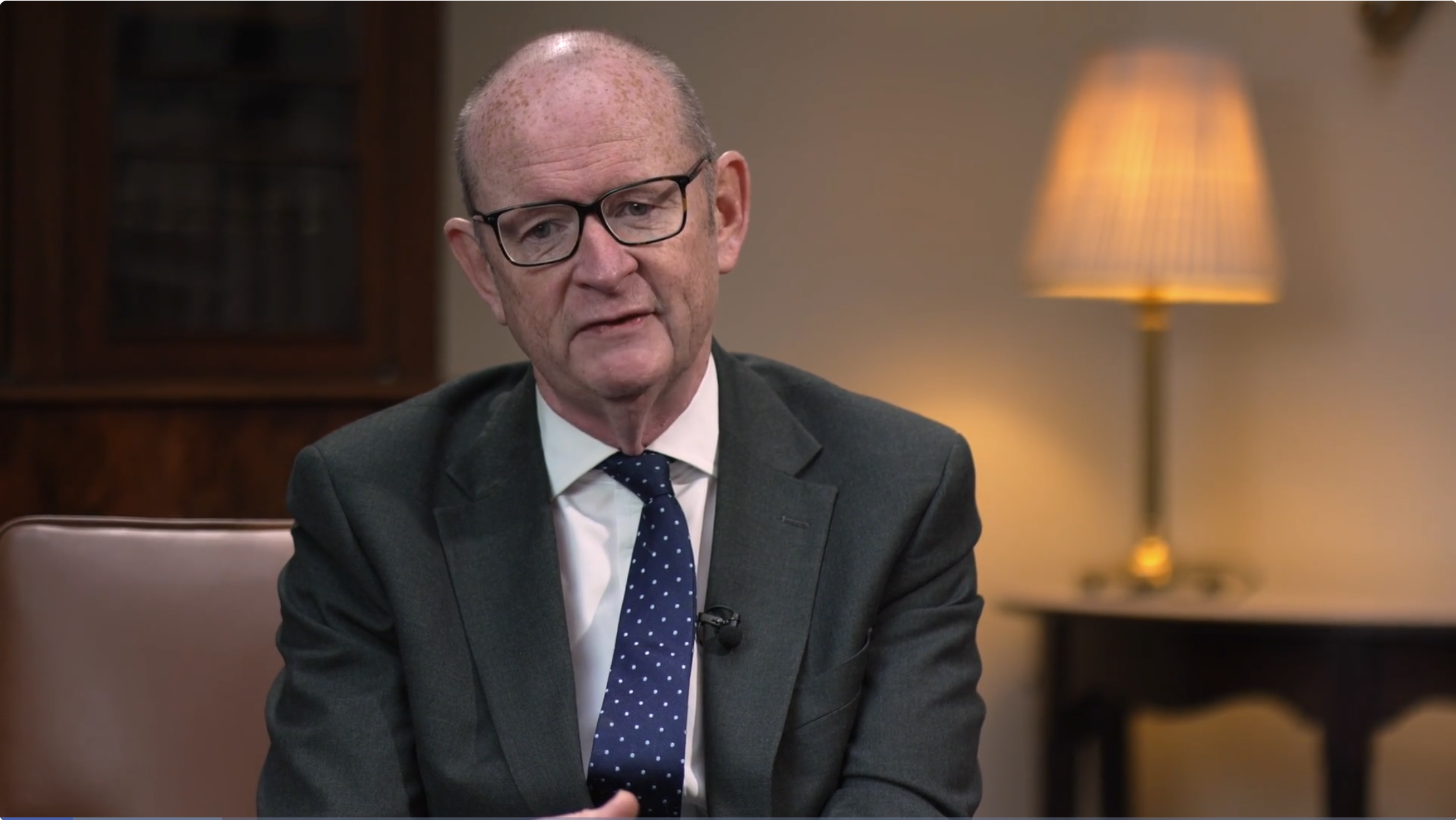
Assess eligibility and fitness for Breyanzi (lisocabtagene maraleucel)
Improve your knowledge of assessing fitness and eligibility for CAR-T and recognise how these factors can influence treatment decisions, with a focus on experience with Breyanzi.
In this episode, Dr Michael Northend, Consultant Haematologist, University College London Hospital discusses a male patient with stage III germinal centre DLBCL and his treatment journey to receiving liso-cel. In the limbus’ four-part series, chaired by Professor Andrew Davies, Consultant Haematologist University Hospital Southampton, our experienced speakers use real-life case studies to showcase learnings from practice with you.
Dr Northend and Professor Andrew Davies, Consultant Haematologist University Hospital Southampton, are joined by Dr Francesca Sillito, Consultant Haematologist, Royal Marsden Hospital and Dr Rob Lown, Consultant Haematologist University Hospital Southampton.
The panel discuss:
- How referral sites should assess patients and determine fitness for CAR-T therapy, including Breyanzi
- How Breyanzi has performed across a broad patient population — from younger, fitter patients to those who are older and less fit
- What patient factors guide decisions in choosing a CAR T therapy
- How the availability of Breyanzi has changed conversations with physicians from referral sites
- Whether the availability of Breyanzi has influenced the types of patients being referred for CAR-T assessment
Bridging to CAR-T to maintain disease stability and fitness
Recognise the options to bridge your patients to maintain disease stability and optimising patient fitness for treatment with CAR-T, such as Breyanzi (lisocabtagene maraleucel). In this episode, Dr Francesca Sillito, Consultant Haematologist, Royal Marsden Hospital discusses a 25-year-old female patient with stage 4B primary mediastinal B-cell lymphoma and how she was kept stable during the CAR T manufacturing period.
Dr Sillito and Professor Andrew Davies, Consultant Haematologist University Hospital Southampton are joined by Dr Michael Northend, Consultant Haematologist, University College London Hospital and Dr Rob Lown, Consultant Haematologist University Hospital Southampton.
The panel discuss:
- How the availability of Breyanzi in 2L PMBCL has influenced treatment decisions and the overall PMBCL treatment landscape
- How Breyanzi’s availability across a broad range of indications influences treatment decisions in clinical practice
- The primary goal of bridging therapy
- The effectiveness of bridging therapy to manage disease and maintain patients’ stability and fitness during the manufacturing period
Shaping ambulatory care to deliver Breyanzi (lisocabtagene maraleucel)
Consider how you can develop pathways to deliver ambulatory care for patients receiving Breyanzi. What would the staffing structure look like? What plans need to be in place to get patients to hospital, should they need it? In this episode chaired by Professor Andrew Davies, Consultant Haematologist University Hospital Southampton, our experienced speakers use real-life case studies to showcase learnings from practice with you.
Joining Prof. Davies is Dr Rob Lown, Consultant Haematologist University Hospital Southampton, Dr Francesca Sillito, Consultant Haematologist, Royal Marsden Hospital and Dr Michael Northend, Consultant Haematologist, University College London Hospital.
The panel discuss:
- Key trends in the evolution of CAR-T therapy delivery, and how it will shape patient care
- Their experience of delivering CAR-T in an outpatient and/or ambulatory care setting
- Patient characteristics that may make them suitable for ambulatory CAR-T care
- How the efficacy and safety profile of Breyanzi informs treating patients in an outpatient setting?
This article was initiated and funded by Bristol Myers Squibb Pharmaceuticals Ltd. Before prescribing, please review Breyanzi (lisocabtagene maraleucel [liso-cel]) Summary of Product Characteristics. This material is intended for UK Healthcare Professionals.
References
- Breyanzi 1.1-70 x 10^6 cells/mL / 1.1-70 x 10^6 cells/mL Dispersion for infusion Summary of Product Characteristics. Available at: https://www.medicines.org.uk/emc/product/100499/smpc
2009-GB-2600115 | August 2026